
The Great Controversy
Articles About The Great Controversy
Living in the Most Exciting Time of All
What if Moses, Elijah, or Daniel could ask *you* a question? We love imagining their miracles and trials, but they might be just as amazed to hear what it’s like living in the final chapter of earth’s history. Scripture says a “time of trouble” is coming unlike anything before it—swift, global, and spiritually intense—yet it also carries a promise: God’s people will be delivered. This isn’t written to produce fear. It’s written to produce readiness. The closing scenes won’t just be political or social—they’ll be spiritual. The great controversy will move from theory to reality, and the world will be pressed to choose whom it will worship. And here’s the privilege: God’s final witness won’t be given through the strongest generation—but through ordinary believers who learn to trust Him completely. In the hour when it matters most, God will be vindicated through a people who cling to Christ, stand on truth, and prove that His ways are just. That’s why this is the most exciting time of all—because we’re not just watching prophecy. We’re living it.
Was Jesus a Jew? Why It Matters Today
Yes, Jesus was a Jew. His heritage fulfills God's promises and proves He is the Saviour for all people. Discover why this matters and how His life changes everything.
Kingdom of God vs Kingdom of the World

God's Plan for Humanity
God's Plan for Humanity is revealed in Daniel 2, where a prophetic dream outlines the rise and fall of empires and points to God's eternal kingdom—offering hope and purpose for our future.

Will You Bow or Stand? How Daniel’s Story Warns and Prepares Us for the Last Days

Signs of the Times: Are We Living in the Last Days?
Are we living in the final era of human history foretold in Scripture? Many believers look at what’s happening around us—rapid technological acceleration, rising global conflict, intensifying natural disasters, and a steady moral decline—and see more than random chaos. They see warning lights. These signs aren’t given to produce fear. They’re given to produce faith. They remind us that Christ’s return is real, His promises are sure, and His people are called to be awake, grounded, and ready. And readiness isn’t passive. The urgency of the hour calls for action, not complacency—prayer, repentance, Bible study, and a renewed commitment to share God’s message with a world that is hungry for truth and desperate for hope.
How Old Was Mary When She Gave Birth?
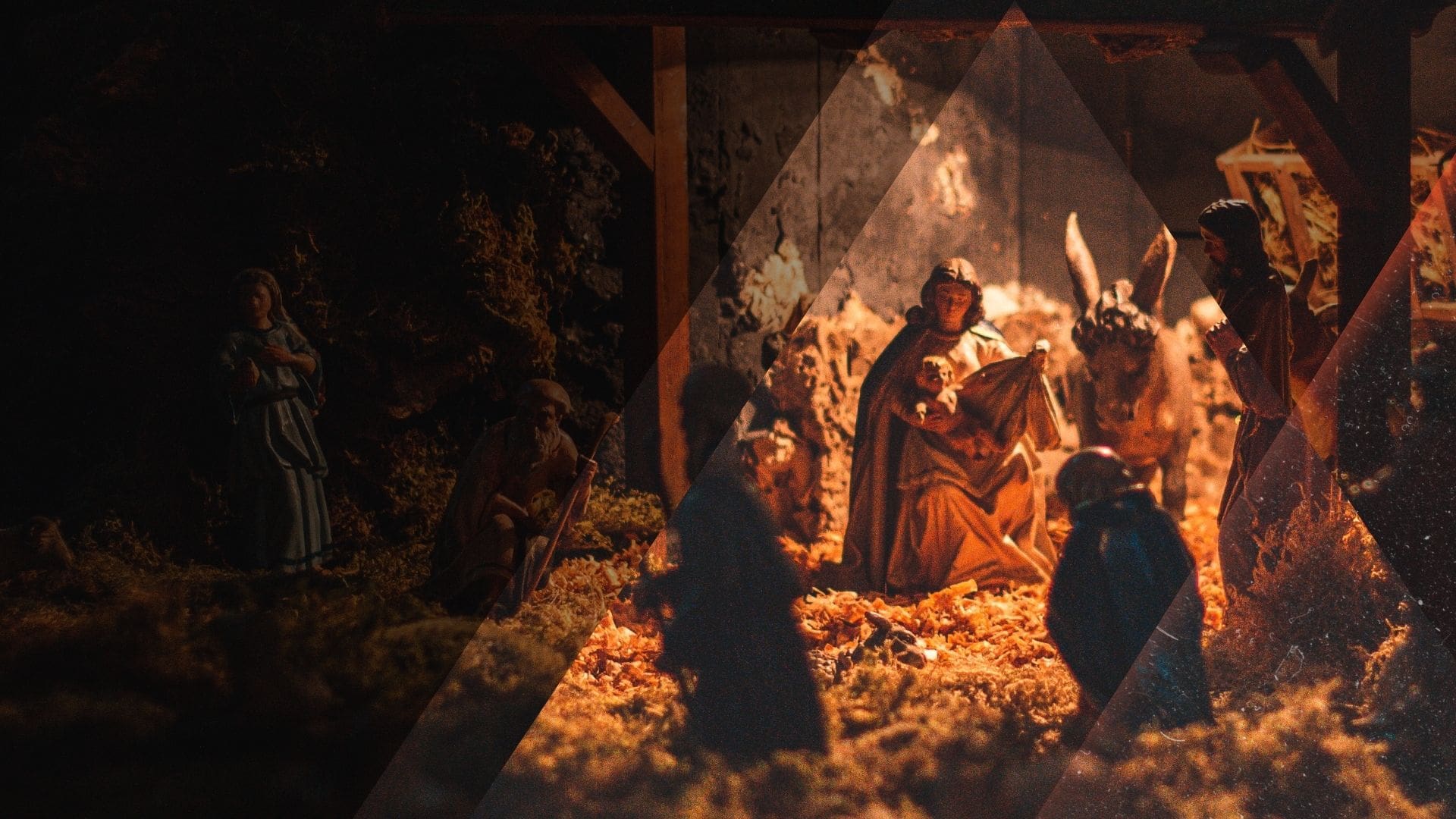
How old was Mary when she gave birth to Jesus? Scripture doesn’t give an exact number—but understanding first-century Jewish culture helps frame why many historians suggest she may have been a young teenager. While that detail can feel confronting to modern readers, it shines a brighter light on what matters most: Mary’s faith. When Gabriel delivered heaven’s message, Mary didn’t respond with rebellion or excuses. She responded with surrender: “I am the Lord’s servant… may it be to me as you have said.” In a moment that could have cost her reputation, security, and future, she chose trust over fear and obedience over comfort. Mary’s story reminds us that God doesn’t call the “most qualified”—He qualifies the called. Faith isn’t measured by age, status, or confidence. It’s measured by a willing heart that says “yes” to God, even when the path ahead is unclear.

Three Angels
In a world moving faster by the day—tech exploding, values shifting, truth getting blurred—the Three Angels’ Messages in Revelation don’t feel outdated. They feel urgent. God isn’t leaving His people guessing. He’s calling us back to what matters most: true worship, clear truth, and steady faith. The first angel calls us to honour God as Creator and worship Him with reverence. The second warns us not to drink in Babylon’s confusion—beliefs and lifestyles that slowly pull the heart away from God. The third is a final wake-up call: stay loyal to Christ when pressure rises and counterfeit worship demands your allegiance. These messages aren’t given to win arguments. They’re given to prepare a people. They anchor us in Scripture, strengthen us to stand when it’s unpopular, and point us to Jesus—the only One who can keep us faithful in the last days.

Preparing for the End Times
Preparing for the End Times: Strengthening Faith in Challenging Days Ahead This article will unpack key biblical prophecies, focusing on Matthew 24’s signs of the times, including the spread of a counterfeit gospel and the rise of supernatural deceptions. It will delve into the steadfastness exemplified by figures such as Captain Cook and encourage believers to prioritize their spiritual commitments. By the end, you’ll grasp the necessity of relying on Scripture and cultivating resilience in faith to endure through trials.

The Search for Purpose
Under all our striving—success, recognition, productivity—there’s a deeper hunger we can’t silence. Purpose. Not a role. Not a title. A relationship. Scripture is clear: we were created for intimacy with God. Sin didn’t just break rules—it broke communion. The great controversy began with Lucifer’s pride, and his aim has always been the same: to sever trust between God and His children. What started in Eden as a doubt-filled whisper still echoes today, luring hearts toward self, away from the Creator. But God didn’t step back. He stepped in. In Jesus Christ, heaven moved toward us to restore what was lost. Eternal life isn’t merely time without end—it’s knowing God personally and deeply. Not religion on the surface, but trust at the core. In the end, it’s not about what we achieve. It’s about who we know—and in knowing Him, we finally find what we were made for.

Sinful Definition
Sinful Definition: What Does It Mean for Us Today? Why does the concept of sin still matter in our modern world? With so many distractions and conflicting voices, it is easy to lose sight of spiritual truths. However, grasping the significance of the sinful definition is not just crucial, but empowering for our spiritual growth and relationship with God. Let’s delve into what sin truly means and how Bible studies can empower us to navigate this profound topic.
Name of the Devil
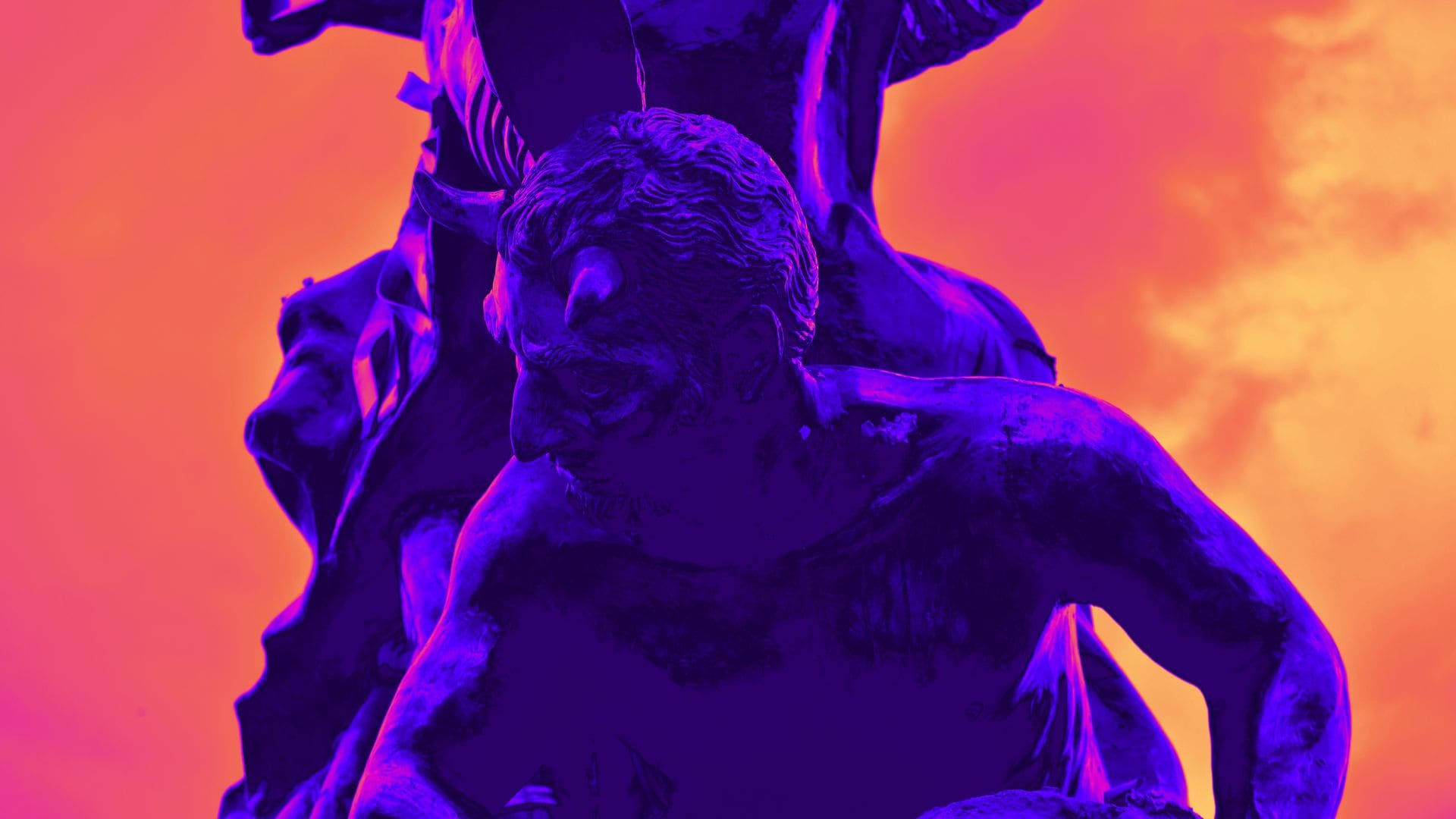
The Bible doesn’t give the devil just one label—it exposes him with many names, and each one unmasks a tactic. “Satan” means adversary and accuser, revealing his work of opposition and condemnation. “Lucifer” points to what he once was—a created being who fell through pride. “Dragon” and “serpent” reveal his brutality and deception, showing how he twists truth to trap minds and destroy faith. This isn’t trivia. It’s spiritual clarity. When you recognise his names, you recognise his patterns—accuse, deceive, intimidate, devour. And that awareness drives us where victory is found: not in self-confidence, but in Christ. Scripture calls us to stay alert, stand firm, and cling to Jesus—because the enemy’s power is real, but the Saviour’s victory is greater.

Facing Fear: Facing Our Goliaths
David and Goliath isn’t just a kids’ story. It’s a snapshot of the real battlefield—where fear tries to rule the heart and intimidation tries to silence faith. Goliath wasn’t only big; he was loud. He weaponised threats, shame, and doubt. That’s exactly how the enemy still works—sometimes roaring, sometimes whispering—but always aiming to make God look small and your problem look unbeatable. David’s victory wasn’t confidence in himself. It was confidence in God. “I come to you in the name of the Lord” is the turning point. David refused to fight in Saul’s armour because borrowed strength can’t win spiritual battles. The fight demanded faith, truth, and dependence on the living God. That’s why the armour of God matters today. Truth steadies us, righteousness guards the heart, the gospel keeps our footing, faith extinguishes doubt, salvation protects the mind, and God’s Word cuts through deception. The giant may be in front of you—but the battle belongs to the Lord, and victory is found in Jesus.
Showing 13 articles
STAY CONNECTED WITH OUR BUNBURY CHURCH APP
Stay connected with the Seventh-day Adventist Church in Bunbury by subscribing to our weekly newsletter! Get updates on upcoming events, inspiring messages, and community news delivered straight to your inbox. Join our loving church family and stay informed on how we're spreading the gospel and holding the scriptures dear to our hearts. Subscribe today and be a part of our mission!
Find out more